
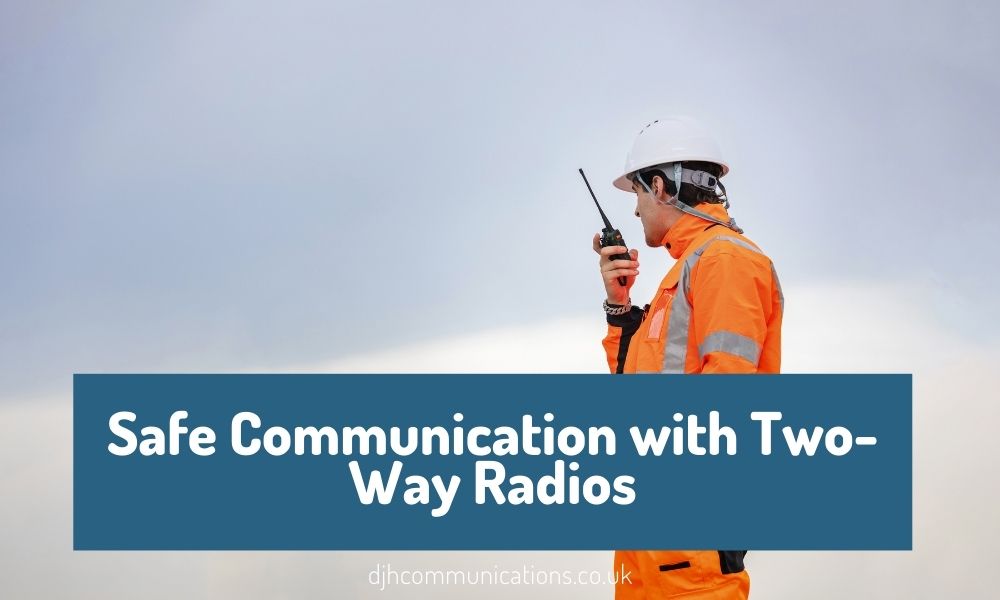
Two way radios are trusted communication tools across industries, from construction sites and security teams to event management and hospitality. They allow instant contact, enhance teamwork and help keep people safe. But like any technology, radios must be used thoughtfully to ensure clarity, safety and effectiveness.
In this guide, we’ll explore how to communicate safely and professionally using two way radios, whether you’re managing a small work crew or overseeing a large operation.
Why Safe Radio Communication Matters
Two way radios offer a lifeline when voice communication matters most, during emergencies, coordination tasks or fast-moving situations. When messages are mishandled, unclear or inappropriate, the consequences can include:
- Miscommunication on job tasks
- Delays in response or action
- Safety risks to staff or the public
- Increased stress among teams
Here’s how to make sure your radio communication stays reliable and responsible.
Know Your Radio System
Before using any radio, take time to learn:
- Operating channels – which channels to use for routine communication vs urgent messages
- Button functions – volume, push-to-talk (PTT), emergency buttons, etc.
- Batter and signal indicators
Understanding your equipment helps avoid accidental transmissions and keep communications clear.
Speak Clearly & Concisely
Clarity is essential on the air. Follow these principles:
- Keep messages short and to the point
Long, rambling messages can be hard to follow and may block the channel for others.
- Speak slowly and enunciate clearly
This improves reception and reduces misunderstandings, especially in noisy environments.
- Wait a moment before speaking
This ensures you don’t cut off someone else and gives your radio time to transmit properly.
Use Radio Etiquette
Good radio etiquette benefits everyone:
- Start with your identifier – say who you are and who you’re trying to reach.
- Avoid fillers – skip words like “um,” “like,” or unnecessary details.
- Acknowledge messages – even a quick “Copy that” lets others know you’ve received the information.
- Stick to radio-appropriate language – keep language professional and relevant.
Proper etiquette prevents confusion, frustration and repeated transmissions.
Keep Channels Organised & Prioritised
Assign clear roles to channels:
- Primary operational channel – regular updates and coordination
- Backup channel – secondary communications
- Emergency channels – reserved for critical alerts only
Avoid using emergency channels for routine messages, they must remain available for urgent needs.
Protect Sensitive Information
Two way radios are not secure communications. Avoid transmitting:
- Personal or confidential data
- Security codes
- Financial or proprietary information
For sensitive matters, use secure communication tools in line with workplace policies.
Handle Emergencies with Protocol
Radio communication plays a crucial role during emergencies. Ensure your team knows:
- How to declare an emergency
Many professionals use a standard phrase like “Emergency on channel 1, over!” - Who handles emergency communication
Designate trained staff to coordinate response and relay instructions. - When to switch channels
In multi-team operations, separating emergency talk to a dedicated channel reduces confusion.
Clear preparation and drills make emergency communication faster and more effective.
Maintain Your Equipment
Safe communication depends on reliable gear. Regular maintenance includes:
- Charging and swapping batteries
- Checking antennas and connections
- Cleaning headsets and mics
- Testing range and clarity
Routine checks prevent signal loss, static or dead radios at critical moments.
Train Your Team
Even the best radios won’t help if users don’t know how to operate them. Provide training on:
- Radio basics and terminology
- Channel use rules
- Emergency procedures
Etiquette and professionalism
Refresh training regularly — especially when introducing new equipment or staff.
Final Thoughts: Better Communication, Better Safety
Whether you’re coordinating workers on a building site, supporting event staff, managing security teams or connecting colleagues across a busy venue, safe communication with two-way radios is essential.
With clear protocols, good etiquette and the right equipment, two-way radios can:
- Improve response times
- Reduce errors
Enhance team confidence - Protect people and property
At DJH Communications, we’re committed to providing reliable two-way radio solutions and expert support so your team can communicate safely and effectively.
Interested in upgrading your system or arranging team training?
Contact us today to explore radios, accessories and tailored communication plans that fit your needs.